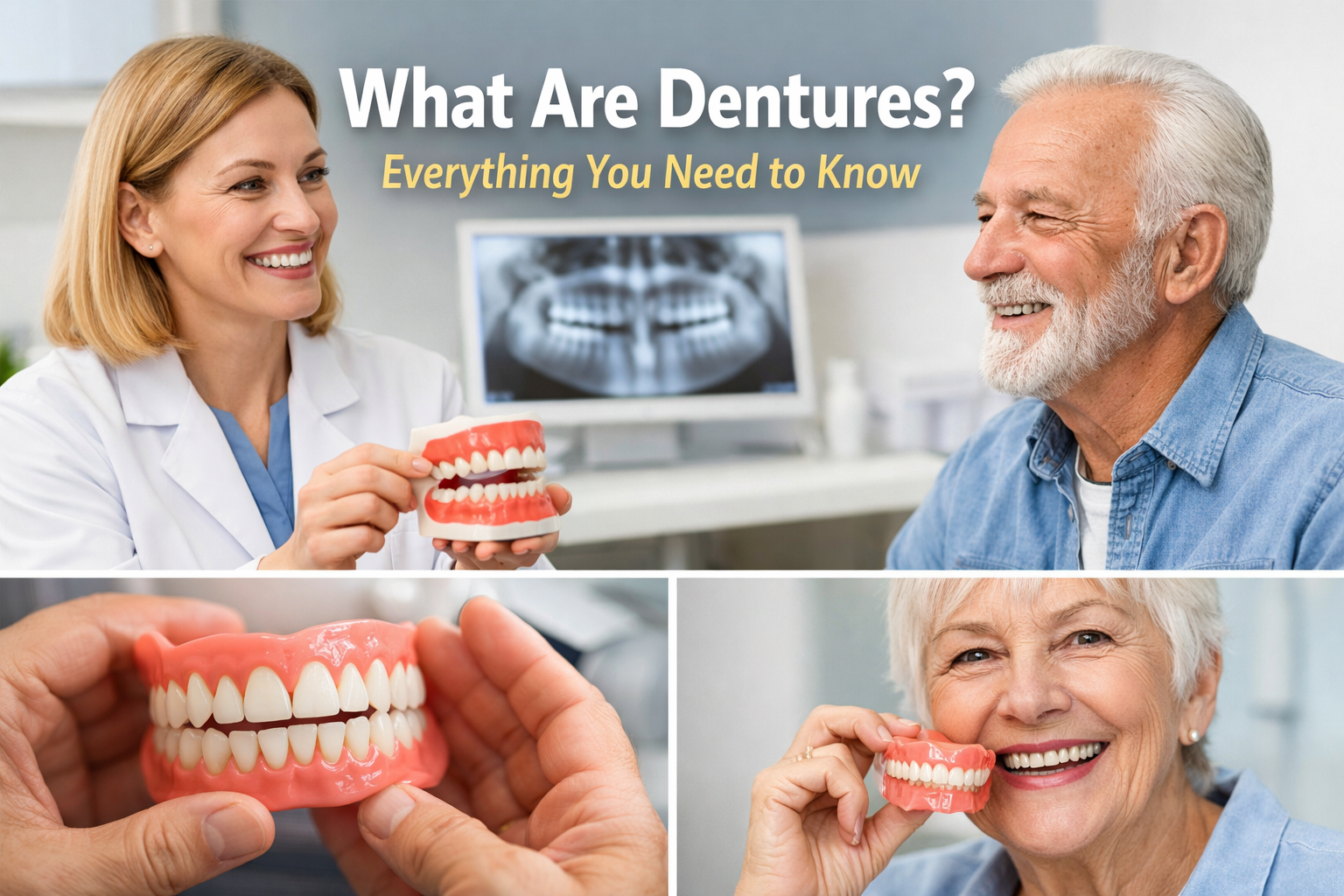
Tooth loss can affect more than just your smile—it can impact your ability to eat, speak, and feel confident in everyday life. Fortunately, modern dentistry offers effective solutions to restore both function and appearance, and dentures remain one of the most popular and reliable options. If you’re considering dentures or simply want to understand them better, this comprehensive guide will walk you through everything you need to know.
What Are Dentures?
Dentures are custom-made dental appliances designed to replace missing teeth and surrounding tissues. They are removable and crafted to closely resemble natural teeth, helping restore your smile and oral functionality.
Dentures are typically made from durable materials such as acrylic resin, metal frameworks, or flexible polymers. They are designed to fit comfortably over your gums and, in some cases, may be supported by dental implants for added stability.
Why Are Dentures Needed?
Dentures are recommended for individuals who have lost multiple teeth due to various reasons, including:
- Severe tooth decay
- Gum disease (periodontitis)
- Injury or trauma
- Age-related tooth loss
- Genetic conditions affecting dental health
Missing teeth can lead to several complications if left untreated, such as difficulty chewing, speech problems, facial sagging, and shifting of remaining teeth. Dentures help prevent these issues while restoring your ability to function normally.
Types of Dentures
There are several types of dentures available, and the right option depends on your specific dental needs.
Full Dentures
Full dentures are used when all teeth in the upper or lower jaw are missing. They rest directly on the gums and are custom-fitted for comfort and function.
Partial Dentures
Partial dentures are ideal for patients who still have some natural teeth remaining. They consist of replacement teeth attached to a gum-colored base, often supported by a metal framework that anchors to existing teeth.
Implant-Supported Dentures
These dentures are secured using dental implants placed in the jawbone. They offer enhanced stability, improved chewing ability, and a more natural feel compared to traditional dentures.
Immediate Dentures
Immediate dentures are placed right after tooth extraction, allowing patients to avoid being without teeth during the healing period. However, they may require adjustments as the gums heal and change shape.
Benefits of Dentures
Dentures offer a wide range of benefits that go beyond aesthetics:
- Restored Appearance: They help fill out facial features and prevent a sunken look.
- Improved Functionality: Eating and speaking become easier and more comfortable.
- Enhanced Confidence: A complete smile can boost self-esteem.
- Cost-Effective Solution: Dentures are generally more affordable than other tooth replacement options.
- Custom Fit: Designed specifically for your mouth, ensuring comfort and proper alignment.
The Denture Process: What to Expect
Getting dentures is a multi-step process that ensures a proper fit and natural appearance.
Initial Consultation
Your dentist will evaluate your oral health, discuss your needs, and recommend the most suitable type of dentures.
Impressions and Measurements
Detailed impressions of your gums and any remaining teeth are taken to create a precise mold for your dentures.
Try-In Stage
A trial version may be provided to check the fit, shape, and color. Adjustments are made as needed to ensure comfort and aesthetics.
Final Placement
Once your dentures are ready, they are fitted and adjusted. Your dentist will provide instructions on how to wear and care for them.
Adjusting to New Dentures
It’s normal to experience an adjustment period when you first start wearing dentures. You may notice:
- Mild soreness or irritation
- Increased saliva production
- Difficulty speaking or eating initially
These issues typically improve within a few weeks as your mouth adapts. Practicing speaking and starting with soft foods can help ease the transition.
How to Care for Your Dentures
Proper care is essential to maintain the longevity and hygiene of your dentures.
- Clean your dentures daily using a soft brush and non-abrasive cleaner
- Soak them overnight in a denture solution to keep them moist
- Rinse thoroughly before wearing them again
- Avoid using hot water, as it can warp the material
- Handle dentures carefully to prevent damage
Even if you wear full dentures, it’s important to maintain good oral hygiene by cleaning your gums, tongue, and any remaining teeth.
How Long Do Dentures Last?
Dentures are durable but not permanent. On average, they last between 5 to 10 years, depending on how well they are maintained and changes in your oral structure.
Over time, your gums and jawbone may shift, causing dentures to become loose. Regular dental visits are important to assess fit and make necessary adjustments or replacements.
Common Denture Problems and Solutions
While dentures are highly effective, some users may experience challenges:
- Loose Fit: Can be corrected with adjustments or relining
- Sore Spots: Usually temporary but should be evaluated if persistent
- Difficulty Eating: Improves with practice and gradual dietary changes
- Speech Issues: Temporary and resolved with practice
If you experience ongoing discomfort, it’s important to consult your dentist for proper solutions.
Dentures vs Dental Implants
While dentures are a popular choice, dental implants offer an alternative for tooth replacement. Here’s a quick comparison:
- Dentures: Removable, more affordable, quicker process
- Implants: Permanent, more stable, higher initial cost
Some patients choose implant-supported dentures, which combine the benefits of both options.
Who Is a Good Candidate for Dentures?
You may be a good candidate for dentures if you:
- Have multiple missing teeth
- Are experiencing difficulty chewing or speaking
- Want a cost-effective tooth replacement solution
- Have healthy gums (or are willing to treat gum issues first)
A dental consultation is the best way to determine the right option for your needs.
Final Thoughts
Dentures are a reliable and effective solution for restoring your smile, improving oral function, and enhancing your quality of life. With modern advancements, today’s dentures are more comfortable, natural-looking, and durable than ever before.
If you’re dealing with missing teeth or considering your tooth replacement options, the team at Central Oakville Dental Care is here to guide you every step of the way. Book your consultation today and take the first step toward a confident, fully restored smile.