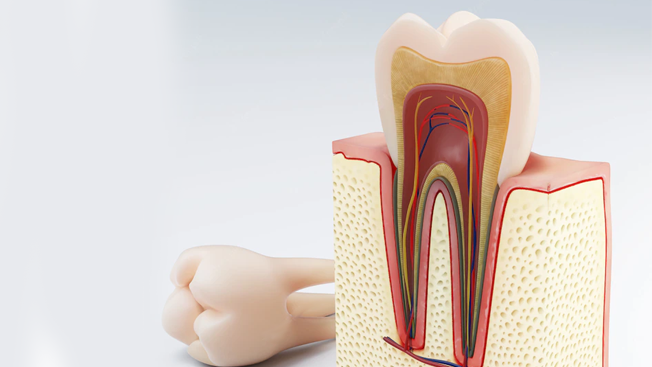
Few dental terms cause as much worry as “root canal.” Many people picture a long, painful procedure, but the reality is quite different. Modern root canal therapy is designed to relieve pain, not cause it, and it lets you keep your natural tooth instead of losing it.
If you’ve been told you may need a Root canal in Oakville, or you’re wondering whether your toothache could be something more serious, this guide explains what to expect.
What Is a Root Canal?
Inside every tooth is a soft center called the pulp. It contains nerves and blood vessels that help the tooth develop. A fully grown tooth can survive without the pulp, because it’s nourished by the tissues around it.
When bacteria reach the pulp through a deep cavity, a crack, a chip, or repeated dental work, the pulp can become inflamed or infected. Without treatment, the infection can spread beyond the root and may lead to an abscess, bone damage, and pain that keeps getting worse.
Root canal therapy removes the infected pulp, cleans and disinfects the inside of the tooth, and seals it to prevent further infection. In most cases, the tooth is then restored with a filling or a crown.
Signs You May Need a Root Canal
Only a dentist can tell for sure, but these symptoms are common warning signs:
- Persistent or severe toothache, especially pain that wakes you at night
- Lingering sensitivity to hot or cold after the heat or cold is gone
- Pain when biting or chewing
- A darkened or discoloured tooth
- Swelling or tenderness in the gums near the tooth
- A small pimple-like bump on the gum, which can indicate a draining infection
- A cracked or deeply decayed tooth
Sometimes there are no symptoms at all, and an infection is discovered on an X-ray during a routine exam. That’s one reason regular check-ups matter.
Why Save the Tooth Instead of Pulling It?
Removing a tooth can seem simpler, but a natural tooth is usually the best choice when it can be saved. Here is why:
- You keep your natural bite and chewing ability.
- Neighbouring teeth stay in place. A gap can cause shifting.
- Your jawbone stays supported by the tooth root.
- It’s often more cost-effective than extraction followed by an implant, bridge, or denture.
- You avoid the extra appointments that come with replacement options.
There are times when a tooth can’t be saved, such as when it’s severely fractured. If that’s the case, our team will explain the situation and discuss alternatives, including tooth extraction and replacement options like dental bridges and dentures.
What Happens During Root Canal Treatment?
Knowing the steps can take away much of the fear.
1. Examination and X-rays. We examine the tooth and take images to see the extent of the infection and the shape of the root canals.
2. Numbing. Local anesthetic makes sure the area is fully numb. Most patients say the procedure feels similar to having a filling placed.
3. Accessing the pulp. A small opening is made in the top of the tooth to reach the pulp chamber.
4. Cleaning. The infected or damaged pulp is removed, and the canals are cleaned and shaped.
5. Disinfecting and sealing. The inside of the tooth is disinfected, then filled and sealed.
6. Restoration. A filling or crown is placed to protect the tooth. Teeth that have had root canals can become more brittle, so a crown is often recommended, particularly on back teeth that handle heavy chewing.
Depending on the complexity of your tooth, treatment may take one or more visits.
Is a Root Canal Painful?
This is the most common question we hear, and the honest answer is that the infection causes the pain, not the treatment. Once the tooth is numb, you shouldn’t feel pain, though you may feel pressure or vibration. Most people feel relief once the infected tissue is removed.
If you feel anxious, let us know. At Central Oakville Dental Care, you can also relax in a comfortable chair and watch Netflix on our ceiling TVs. We also offer nitrous oxide sedation for patients who want extra help staying calm.
Recovery and Aftercare
It’s normal to feel some tenderness or mild soreness for a few days after treatment, particularly if there was infection or inflammation before. A few tips can help:
- Take pain medication as directed by your dentist, if needed.
- Avoid chewing on the treated tooth until it’s fully restored.
- Stick to softer foods for the first day or two.
- Brush and floss normally, taking care around the area.
- Return for your final restoration. Skipping the crown or filling can leave the tooth vulnerable.
Call us if you have severe pain, swelling, a fever, or an allergic reaction to medication. These aren’t typical and should be checked.
How to Avoid Needing a Root Canal
You can lower your risk with good habits:
- Brush twice daily and floss every day.
- See your dentist for regular exams and cleanings. Cavities caught early are usually treated with simple fillings.
- Fix cracks and chips promptly.
- Wear a night guard if you grind your teeth.
- Use a mouthguard for sports.
- Don’t ignore sensitivity. It’s an early warning sign.
Toothache? Same-Week Care in Central Oakville
Tooth pain is stressful, and waiting rarely helps. Central Oakville Dental Care welcomes new patients and dental emergencies. Our dentists, Dr. Zubair Hathiari and Dr. Salman Rashid, take time to listen, explain your options, and make sure you understand the plan before treatment begins.
We accept many insurance plans and the Canadian Dental Care Plan (CDCP). If you don’t see your provider listed, contact us and we’ll check your coverage.
Book Your Visit
Call 905-337-2888 or book online through our website. Our clinic is at 407 Iroquois Shore Rd, Unit 6B, Oakville, with free parking and easy access from the QEW and the Oakville GO station. Please use the side entrance for One Health Medical Centre.
Don’t let a toothache turn into something bigger. Let’s get you comfortable again.