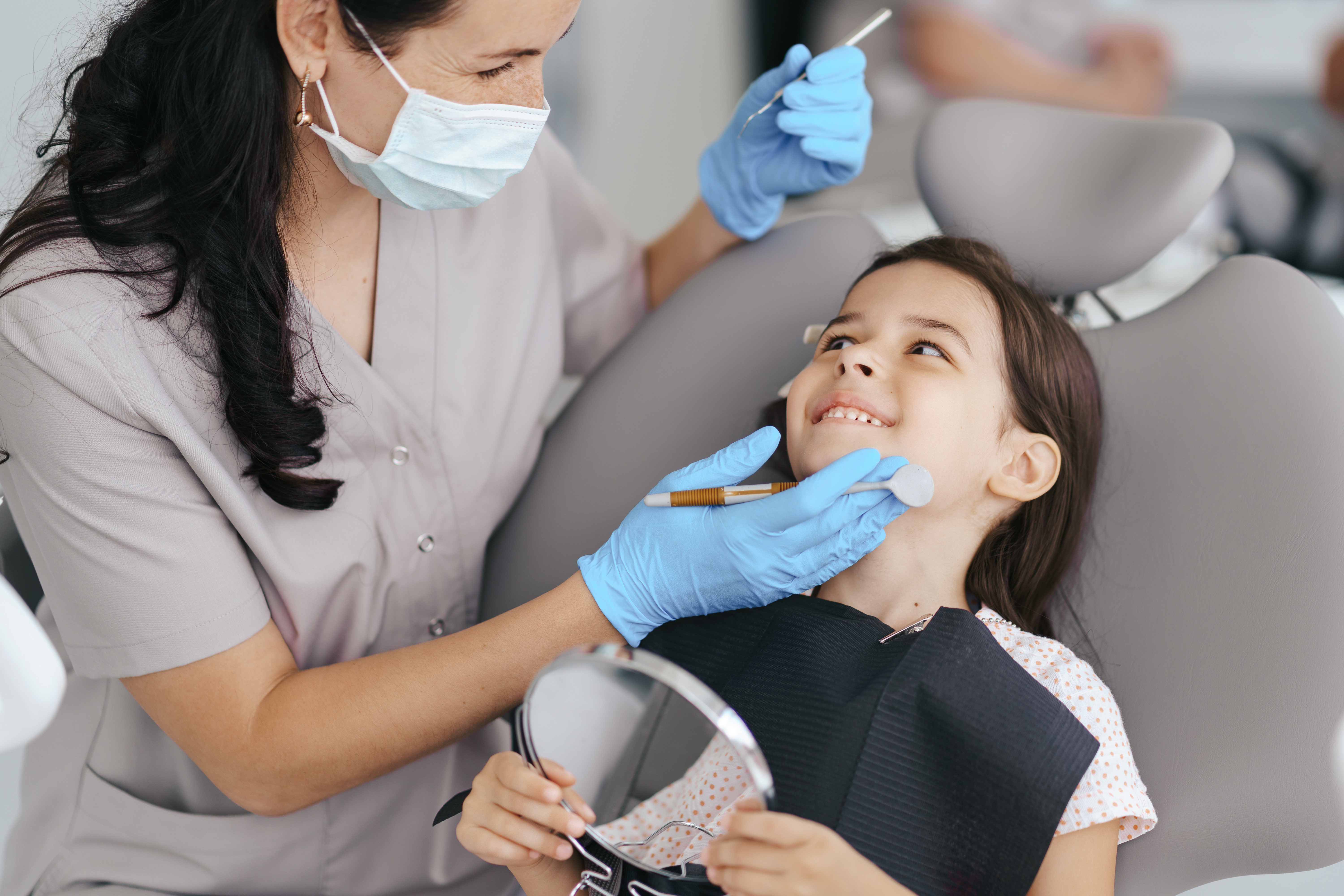
A damaged, weakened, cracked, or heavily decayed tooth can affect more than your smile. It can make chewing uncomfortable, increase sensitivity, and leave the tooth vulnerable to further damage. When a tooth has lost significant structure, a dental crown in Oakville may be an effective restorative treatment to strengthen and protect it.
At Central Oakville Dental Care, dental crowns are part of comprehensive restorative dentistry designed to help patients maintain healthy, functional smiles. A crown can cover and protect a compromised tooth while restoring its shape, appearance, and ability to function normally.
If you are searching for dental crowns Oakville or an experienced dentist to assess a damaged tooth, understanding how crowns work can help you make an informed decision about your oral health.
What Is a Dental Crown?
A dental crown is a custom-made restoration that fits over a prepared tooth. It is sometimes called a “cap” because it covers the visible portion of the tooth and helps protect the remaining natural structure.
Crowns are generally considered when a tooth has more extensive damage than can reasonably be repaired with a regular filling. They may be recommended for teeth affected by significant decay, fractures, broken fillings, or other structural problems. Crowns can also be used following certain root canal treatments to provide additional protection.
A properly fitted crown is designed to restore both the function and appearance of the affected tooth.
When Might You Need Dental Crowns in Oakville?
Not every damaged tooth requires a crown. Your dentist will evaluate the condition of your tooth and recommend treatment based on the amount of remaining healthy structure and your overall oral health.
An Oakville dentist may recommend a dental crown when you have:
- A severely decayed tooth
- A cracked or fractured tooth
- A tooth weakened by a large filling
- A broken or damaged filling
- A tooth requiring additional protection after root canal therapy
- Certain cosmetic concerns involving the shape or appearance of a tooth
The goal is to preserve the natural tooth whenever possible while providing the strength and protection needed for everyday chewing.
Benefits of Oakville Dental Crowns
Dental crowns can offer several benefits when they are appropriate for a patient’s needs.
1. Protect a Weak Tooth
A significantly weakened tooth can be more susceptible to additional damage. A crown covers the remaining tooth structure and helps provide additional support.
2. Restore Normal Function
A damaged tooth can make eating uncomfortable or difficult. A properly fitted crown can restore the tooth’s shape and help improve normal chewing function.
3. Improve the Appearance of a Tooth
Modern dental crowns can be designed to complement the surrounding teeth. Depending on the material selected, a crown can provide a natural-looking appearance while restoring the tooth.
4. Support Long-Term Oral Health
Restoring a damaged tooth may help prevent the problem from progressing and can allow you to maintain more of your natural tooth structure. Dental crowns are one of several restorative options available depending on the condition of the tooth.
Types of Dental Crowns
There are different crown materials available, and the appropriate option depends on factors such as the location of the tooth, strength requirements, appearance, and individual dental needs.
Central Oakville Dental Care lists several crown options, including zirconia-reinforced porcelain, full gold, and porcelain-fused-to-metal crowns. Your dentist can discuss the advantages and limitations of each option before treatment.
For visible teeth, appearance may be an important consideration. For back teeth, strength and durability may be especially important because they experience significant chewing forces.
Rather than choosing a crown based solely on appearance or cost, it is important to consider the complete clinical picture and your dentist’s recommendation.
What Happens During a Dental Crown Procedure?
The dental crown process generally involves assessment, tooth preparation, creation of the custom restoration, and final placement.
Step 1: Dental Examination
Your dentist first examines the tooth and surrounding tissues. Depending on your condition, additional diagnostic assessment may be required to determine whether a crown is the appropriate treatment.
Step 2: Tooth Preparation
If a crown is recommended, the tooth is prepared so the restoration can fit securely. Any decay or compromised tooth structure that requires treatment is addressed as part of the process.
Step 3: Creating the Crown
A detailed impression or digital information is used to create a crown that matches the required shape and dimensions. The restoration is typically fabricated by a dental laboratory.
Step 4: Temporary Protection
When necessary, a temporary crown may be placed while the permanent restoration is being prepared. Following your dentist’s instructions during this period can help protect the tooth.
Step 5: Final Crown Placement
At the follow-up appointment, the permanent crown is evaluated for fit, appearance, and function. Once the dentist is satisfied with the restoration, it is securely placed on the tooth.
Central Oakville Dental Care notes that dental crown treatment will usually require two dental visits.
How to Care for Your Dental Crown
Good oral hygiene remains important after receiving a dental crown. A crown protects the restored tooth, but the surrounding gums and remaining natural tooth structure still require regular care.
To help maintain your crown and overall oral health:
- Brush your teeth twice daily with fluoride toothpaste.
- Floss regularly and clean carefully around the crown.
- Attend routine dental examinations and professional cleanings.
- Avoid using your teeth to open packages or bite very hard objects.
- Follow your dentist’s recommendations if you grind or clench your teeth.
- Contact your dentist if your crown feels loose, damaged, or uncomfortable.
Regular preventive care can also help identify potential problems before they become more complicated.
Dental Crowns vs. Other Restorative Treatments
A dental crown is not always the only treatment option. Depending on the condition of your tooth, your dentist may recommend a filling, dental bridge, root canal therapy, extraction, or another restorative solution.
For example, a severely damaged tooth may require root canal treatment before a crown can provide additional protection. A missing tooth may require a dental bridge or another tooth-replacement option rather than a crown alone.
This is why a professional examination is important before deciding on Oakville dental crowns. The best treatment depends on the health and structure of your individual tooth.
Why Choose Central Oakville Dental Care for Dental Crowns?
Central Oakville Dental Care provides restorative and emergency dental services for patients in Oakville. The clinic offers dental crowns alongside other services, including dental bridges, dentures, root canal therapy, tooth extractions, preventive dentistry, cosmetic treatments, pediatric dentistry, and emergency dental care.
The practice focuses on patient education and personalized care, giving patients an opportunity to discuss their concerns and treatment options with the dental team. Dr. Zubair Hathiari is the principal dentist and has more than two decades of experience in dentistry.
For patients who experience dental anxiety, the clinic also offers nitrous oxide sedation, which may be used for procedures including dental crowns when appropriate.
Frequently Asked Questions About Dental Crowns in Oakville
How long does a dental crown procedure take?
The treatment timeline depends on your individual case and the type of restoration required. Central Oakville Dental Care notes that crown treatment will usually involve two dental visits.
Are dental crowns suitable for damaged teeth?
Crowns can be appropriate for teeth that are significantly damaged, cracked, fractured, or extensively decayed. Your dentist will determine whether a crown is suitable after evaluating the tooth.
Can a crown improve the appearance of a tooth?
Yes. Depending on the material selected, a dental crown can restore the shape and appearance of a damaged or cosmetically compromised tooth.
How do I know if I need a dental crown?
Persistent sensitivity, a cracked or broken tooth, extensive decay, or a large damaged filling may indicate that you need a dental assessment. Only a dentist can determine whether a crown is the appropriate solution.
Where can I get dental crowns in Oakville?
Central Oakville Dental Care provides dental crown treatment in Oakville. The clinic is located at 407 Iroquois Shore Rd, Unit 6B, Oakville, Ontario, and can be reached at 905-337-2888.
Restore Your Smile With Dental Crowns in Oakville
A damaged tooth does not always mean that you need to lose the natural tooth. In appropriate cases, a dental crown can provide added protection, restore function, and improve the appearance of a weakened tooth.
If you are experiencing tooth damage, sensitivity, discomfort, or a broken filling, an evaluation can help determine the right next step. For patients searching for dental crowns in Oakville, Central Oakville Dental Care provides personalized restorative dental care based on each patient’s needs.
Contact Central Oakville Dental Care at 905-337-2888 to schedule a dental assessment and learn whether an Oakville dental crown may be right for your smile.